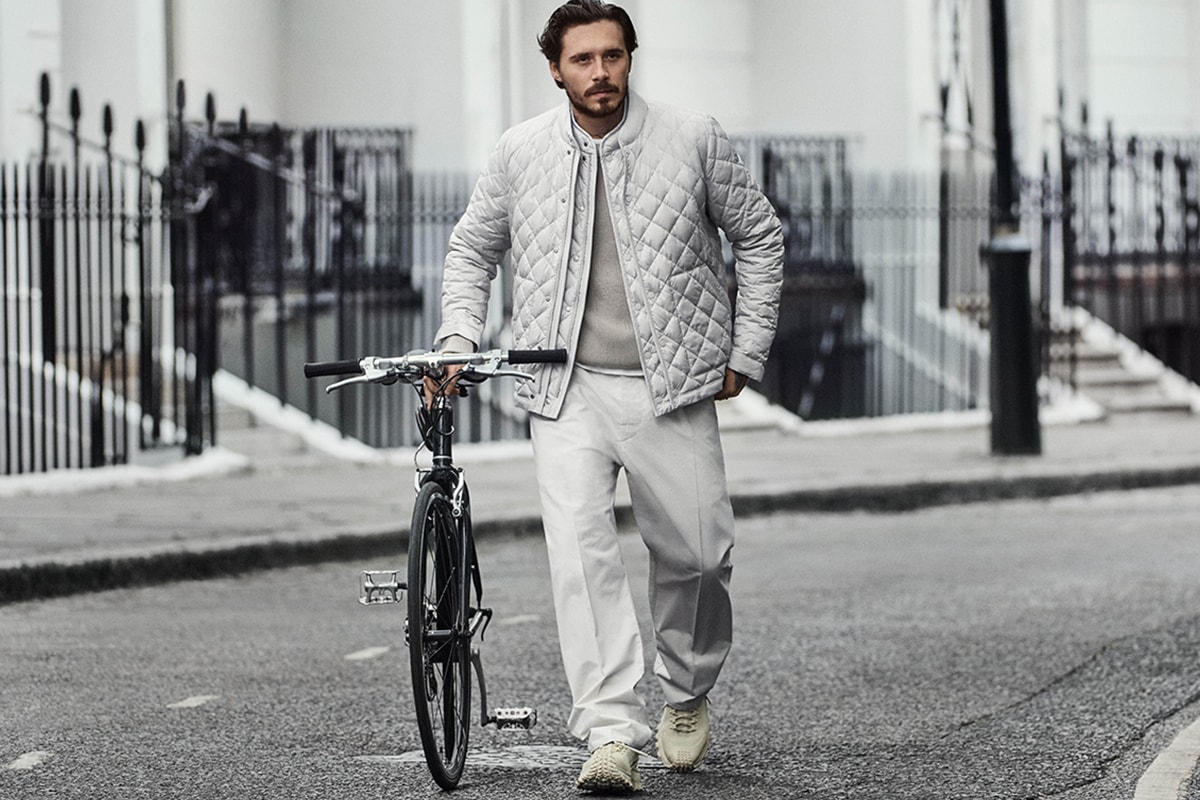
€9.2M average revenue per boutique door, across 295 locations. By any benchmark in luxury retail, that is a high-performing network. Moncler is not opening doors to grow the count — every location has to earn its place, and at this average, underperformers are immediately visible in the P&L. The discipline in real-estate decisions shows in that number.
The 52% Asia concentration is worth examining closely. Asia-Pacific, Japan, and Korea together grew +7% at constant currency in FY2025, while EMEA declined 3%. That reflects a deliberate commercial focus on the markets where the brand resonates most strongly right now. The operational consequence is significant: supply chain priorities, customer service investment, and retail activation are all weighted toward the Asian consumer. When one region drives more than half of revenue, every operational decision follows it.
The Americas at 14% is where the model has an open question. It is growing (+5% at constant currency), and the US market for premium outerwear at Moncler's price point is less developed than Asia. That gap is either an opportunity waiting to be prioritised — or a deliberate choice to deepen the Asia advantage before broadening the geographic base. The investment plan for Americas over the next three to five years will answer which one it is.
My read is that the window is narrowing. The US premium outerwear consumer is earlier in the luxury adoption cycle — brand resistance is lower now than it will be once more European houses push aggressively into North America. That timing advantage does not stay open indefinitely. If Moncler is reading the same market, the next capital allocation cycle should reflect a meaningful shift toward Americas retail presence and brand investment. If it does not, that is a strategic signal too: a deliberate choice to consolidate the Asia position while growth is still there, and enter Americas from a position of strength rather than competitive necessity. Either way, it is the most consequential decision in the business right now — and it will be visible in the next two annual reports.
In February 2018, Moncler CEO Remo Ruffini dismantled something the entire luxury industry had treated as non-negotiable: the two-season fashion calendar. He did not hire a new creative director and refresh the brand's aesthetic. He built a structure to run 8 simultaneous creative directors — each with full creative autonomy, each releasing their own capsule collection as a drop at a moment of their choosing. The strategy was called Moncler Genius, and it was a structural bet, not a creative one.
The mechanics are the point. No shared seasonal theme means no single aesthetic risk. No fixed release windows means the brand is in the cultural conversation continuously — not in two compressed bursts. Each collaborator brings their own audience: A$AP Rocky's, Rick Owens', Willow Smith's, Jil Sander's — none of which fully overlap. Each drop is a self-contained commercial event with its own campaign, its own retail activation, its own press moment. What Ruffini built was not a collaboration programme. It was a system for generating continuous cultural relevance without depending on any single person, taste, or trend to carry the brand. The City of Genius event in Shanghai in October 2024 took this further — separate pavilions for each creative director, each telling a different visual story under the Moncler brand, running simultaneously in the same physical space.
My read: what Genius actually protects against is not competitive pressure — it is internal risk. Every luxury brand built around a single creative director carries the same exposure: the day that director leaves, the brand faces a transition that can take years to stabilise. Gucci after Tom Ford. Dior after Galliano. The first year of every major creative succession is a reset — commercial uncertainty, critical scrutiny, audience confusion. Genius eliminates that risk at the structural level. Because Moncler's identity is the model itself, not any individual's vision, no single departure changes the brand's cultural presence. Ruffini did not just build a drops calendar — he built a brand that does not have a creative succession problem. That, in my read, is the most underappreciated part of what Genius does.
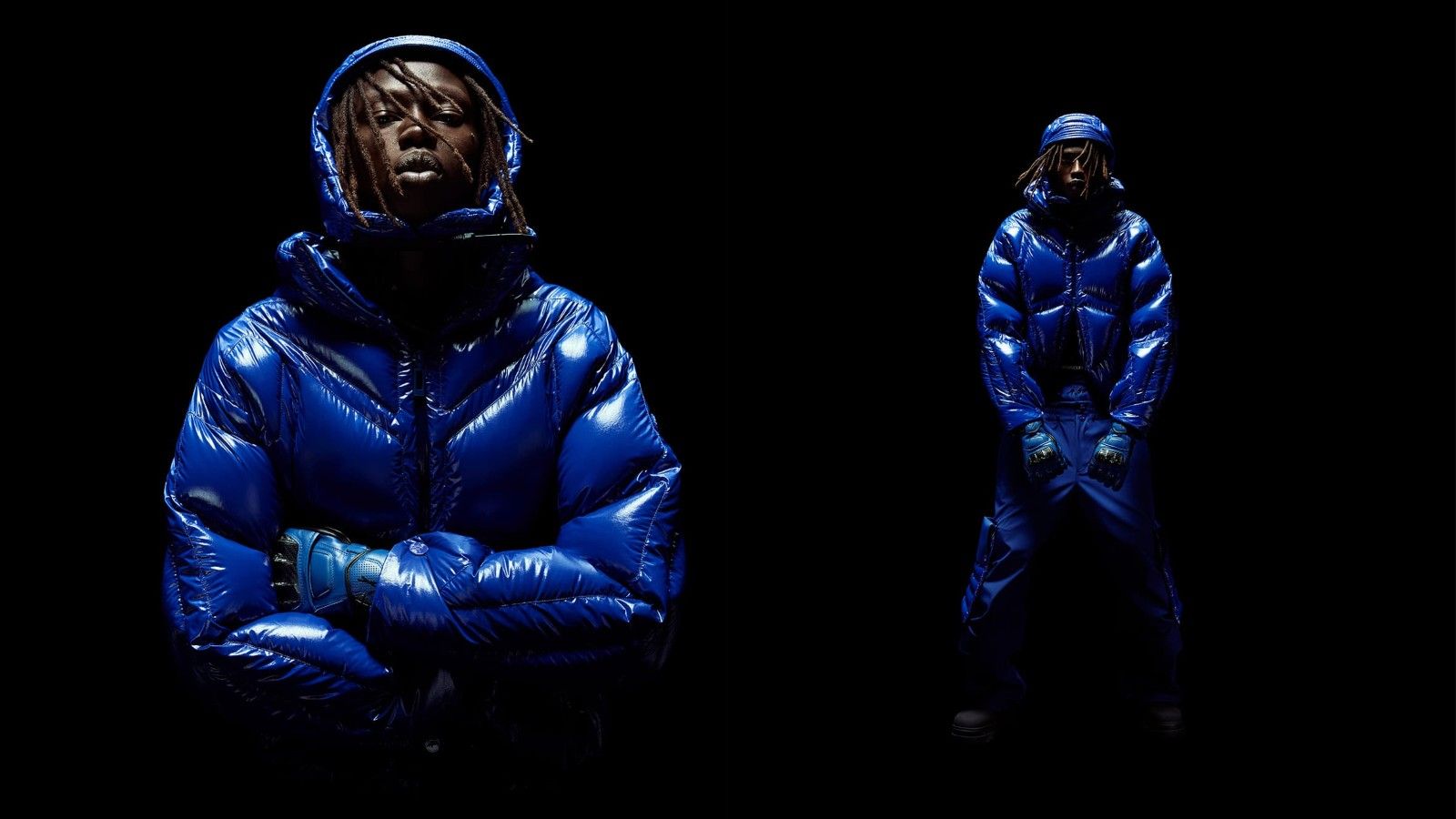
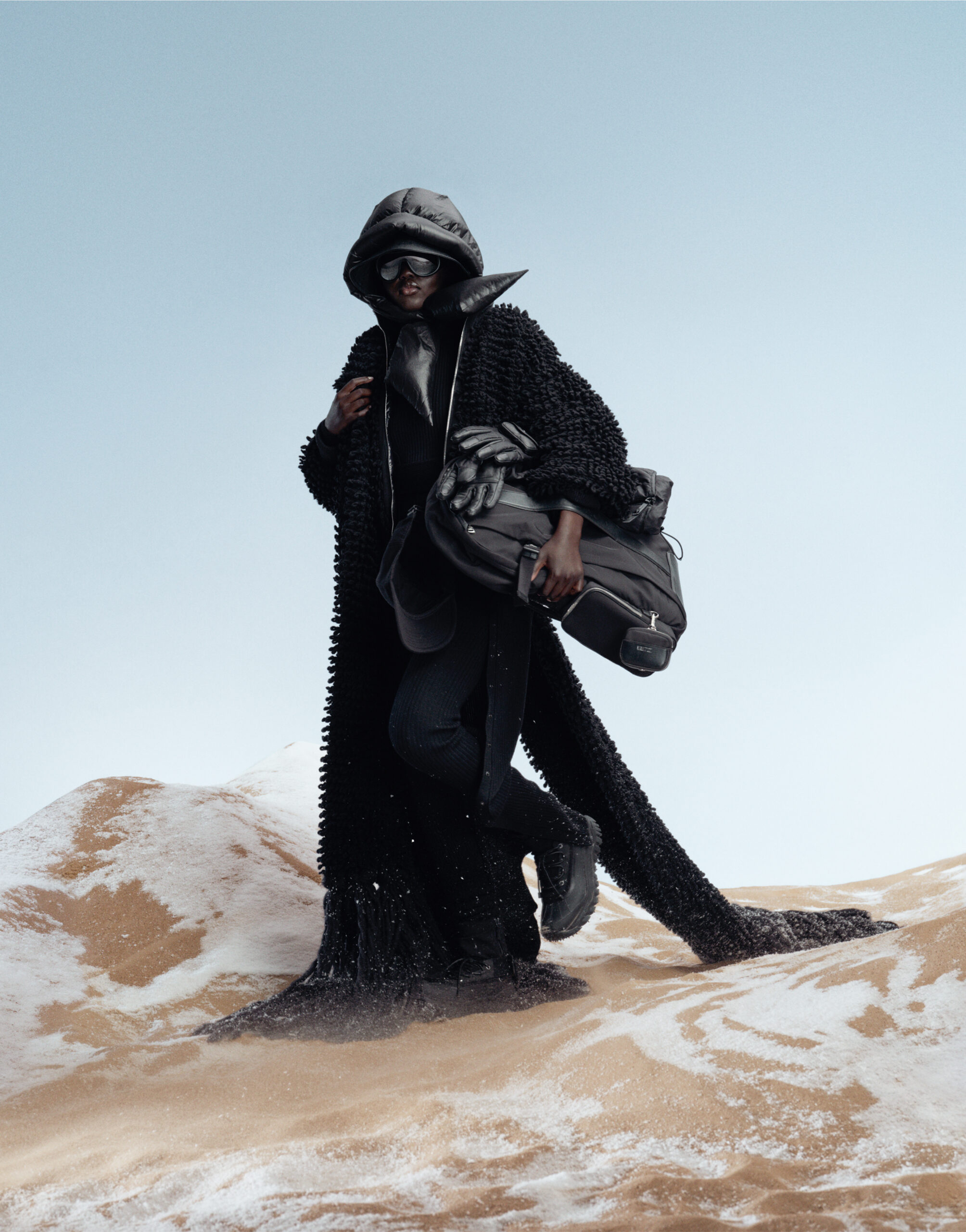
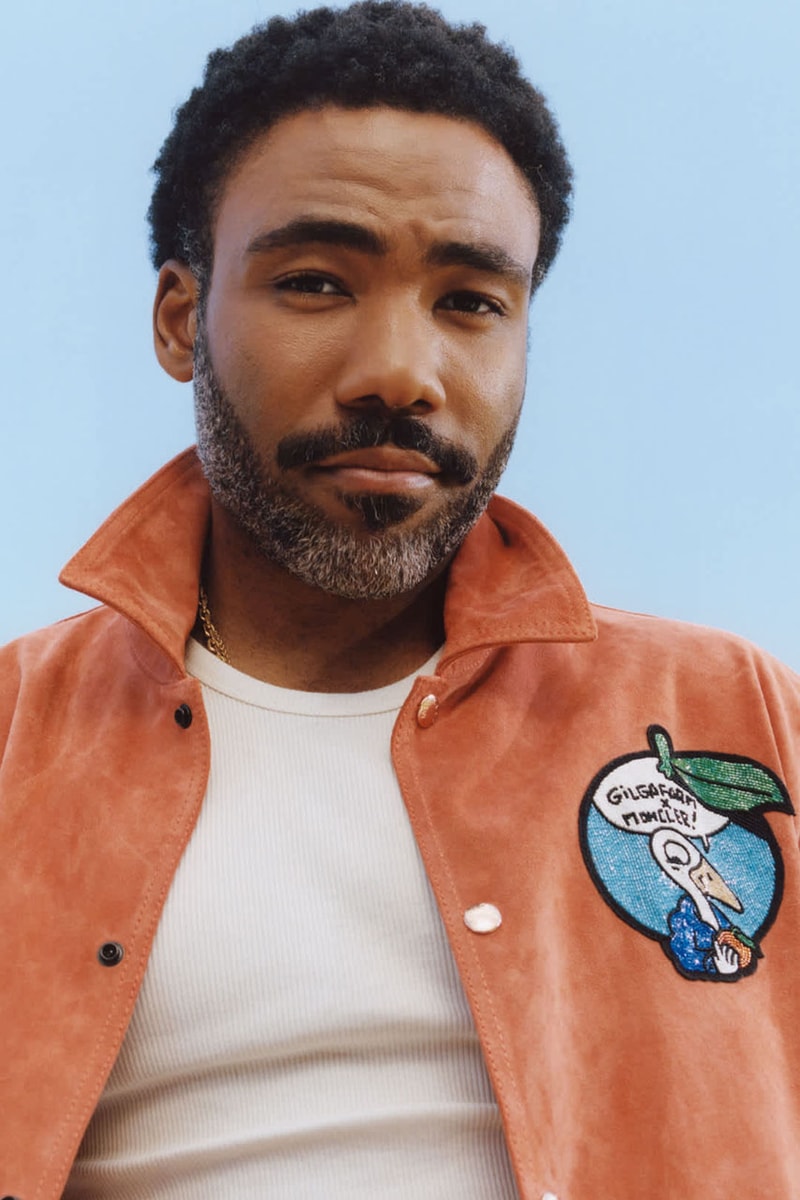
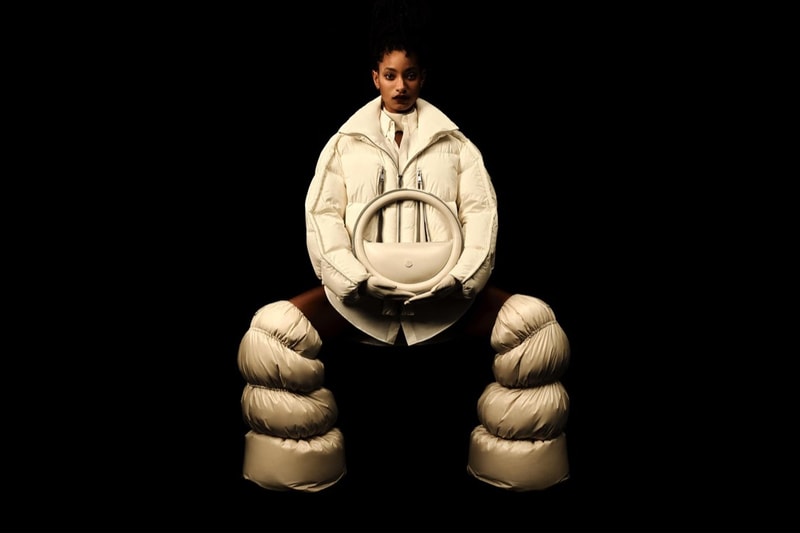
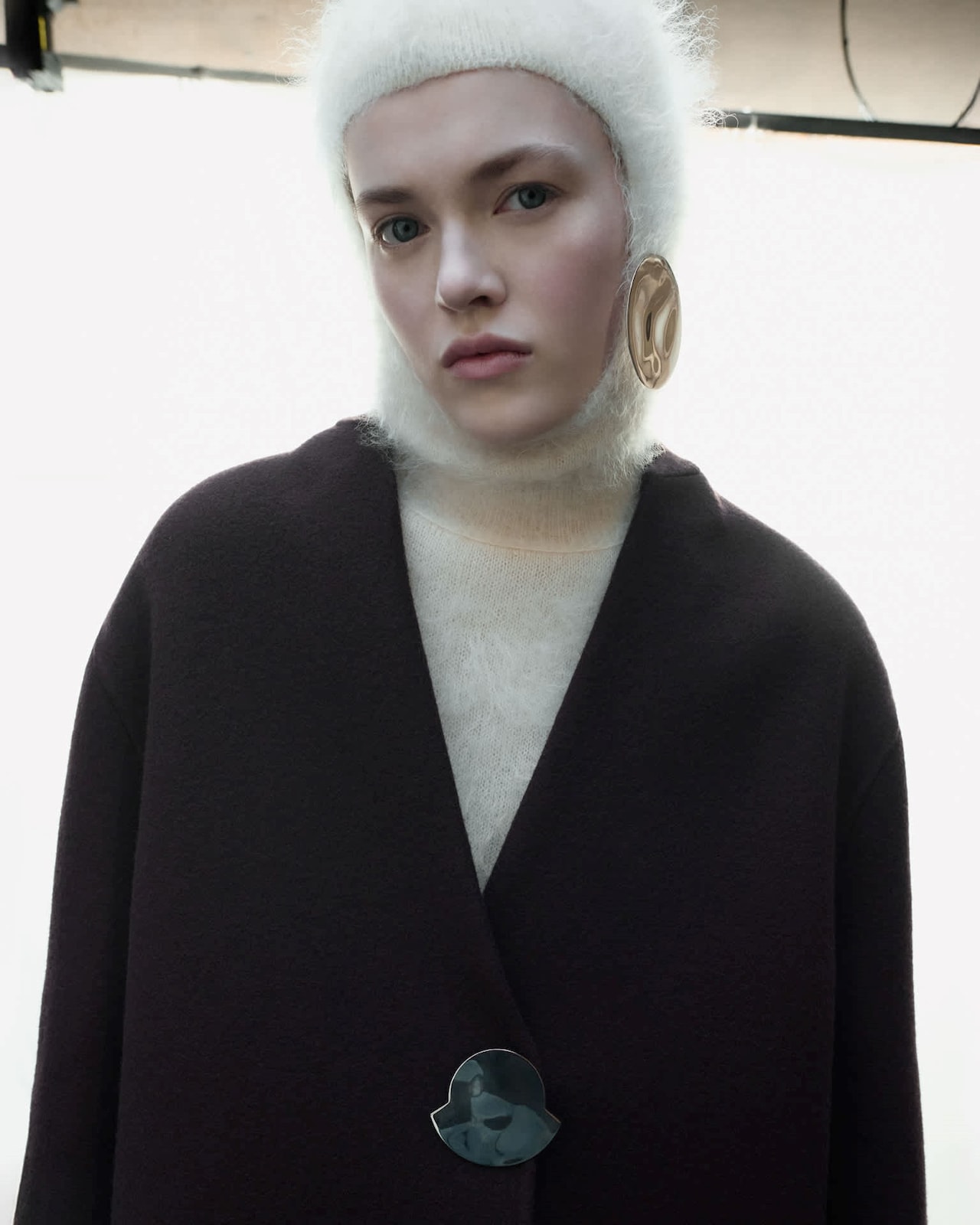
Moncler Genius has been running since 2018. In that time, it has expanded from the original eight creative directors to include co-creation formats, and the Moncler Genius event format evolved from seasonal Milan Fashion Week presentations to the City of Genius format — most recently held in Shanghai in October 2024. What was positioned as a structural bet in 2018 has held through multiple fashion cycles, a pandemic, shifts in luxury spending patterns, and significant changes in the cultural landscape.
My read: what Genius actually protects against is not competitive pressure — it is internal risk. Every luxury brand built around a single creative director carries the same exposure: the day that director leaves, the brand faces a transition that can take years to stabilise. Gucci after Tom Ford. Dior after Galliano. The first year of every major creative succession is a reset — commercial uncertainty, critical scrutiny, audience confusion. Genius eliminates that risk at the structural level. Because Moncler's identity is the model itself, not any individual's vision, no single departure changes the brand's cultural presence. Ruffini did not just build a drops calendar — he built a brand that does not have a creative succession problem. That, in my read, is the most underappreciated part of what Genius does.